


Winter Olympics 2026 Marketing Strategy: What Brands Can Learn for Event Promotion
What can a billion-dollar global event teach brands that are working with limited marketing budgets? Quite a lot.
Whether you are hosting a workshop, seminar, or bazaar, having a clear event marketing strategy is essential to attract people who are genuinely interested in your brand. Let’s take inspiration from a recent global event — the Winter Olympic Games 2026.
Olympic marketing may look grand and out of reach for most brands. However, many of their event promotion strategies can actually be adapted and scaled based on your brand’s needs, goals, and budget. Here are some practical strategies you can learn and apply to your own brand events.
Start the Promotion Early
The Olympics sold early bird tickets at discounted prices from February to May 2025, while the event itself began in February 2026. Promotions started nearly a year in advance through official websites and media channels.
For brands, early event promotion is always beneficial. While a one-year campaign may require a larger budget, you can adjust the timeline to three months or even one month before the event, depending on your resources.
The main objective of early promotion is to reach a wider audience and consistently remind them about your event. It also gives potential attendees enough time to plan their schedules in advance, which can significantly improve attendance rates. As stated on Event Industry News, the younger generation now prefers Early Bird Tickets more than the last-minute tickets as they want to save more.
Social Media Ads with Area Targeting
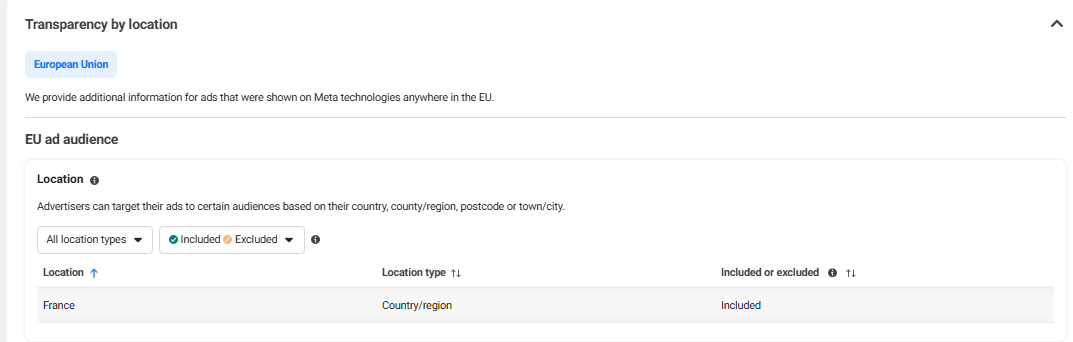
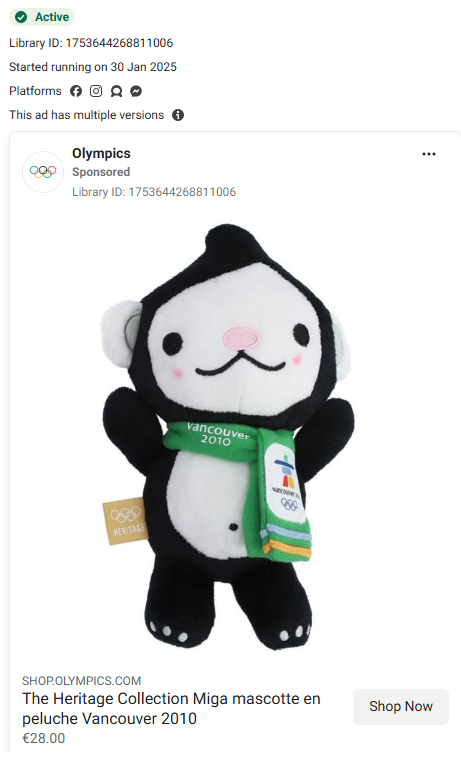
For a global event like the Olympics, campaigns were localized and targeted to specific regions and languages. They created social media ads with adjusted languages and country-level targeting to maximize budget efficiency.
For local brands, this event marketing strategy can be simplified by targeting audiences near the event venue or within the same city. You can also expand to nearby cities if the distance is reasonable or if you are actively inviting attendees from those areas.
This approach helps optimize ad spend while ensuring your promotions reach audiences who are more likely to attend the event.
Funnel Marketing Through Social Media Ads
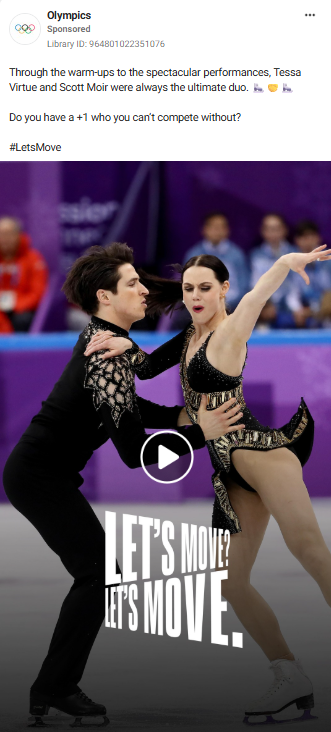
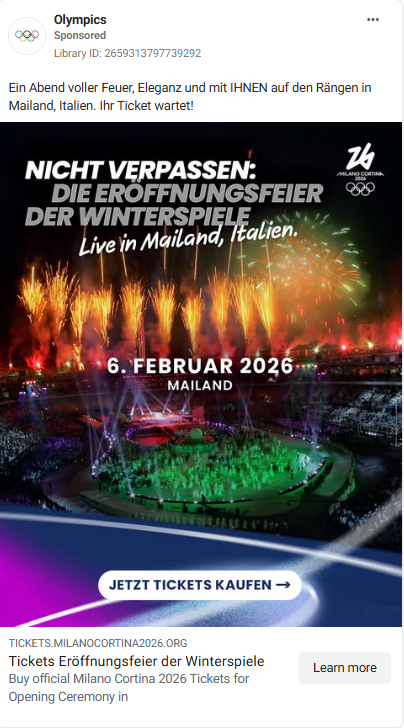
Olympic campaigns were not solely focused on selling tickets. They also ran upper- and mid-funnel marketing campaigns where audiences could explore event information through websites or download apps for updates. In addition, merchandise was promoted alongside ticket sales.
This funnel marketing approach is highly effective for event marketing because it allows brands to:
- Build awareness among new audiences
- Nurture interest before conversion
- Reduce creative fatigue
- Keep the event top-of-mind across multiple touchpoints
Instead of only pushing hard-sell ads, brands can educate, engage, and retarget audiences throughout the funnel. As a performance marketing agency in Singapore, KPI Media has extensive experience implementing funnel-based social media advertising to drive both awareness and conversions for events and campaigns.
Sponsorship or Brand Collaboration
If your event is large enough, securing sponsorship can help with funding while also expanding your promotional reach. Sponsors can promote your event through their own marketing channels, increasing credibility and visibility.
If sponsorship is not feasible, brand collaboration is a strong alternative. For example, if you own a sports clothing brand, collaborating with a sports shoe brand that shares a similar target audience can create mutually beneficial event promotion campaigns on social media and digital platforms.
Influencer Marketing for Event Promotion
Influencer marketing is an effective way to spread awareness and create buzz around your event. The key is to ensure that the influencer’s audience profile aligns with your brand and event theme.
Typically, nano and micro-influencers generate higher engagement rates (as long as their followers are organic), while macro or mega influencers are more suitable for wider reach and brand awareness.
Large-scale events like the Olympics collaborated with celebrities and athletes, including Tate McRae and Eileen Gu, to amplify visibility and engagement. Brands can adopt a scaled-down version of this strategy by working with niche influencers within their industry.
News Media Collaboration
You do not need international media coverage to make your event successful. Collaborating with local media outlets can already provide strong exposure, as many people follow local news to stay updated on events happening around them.
However, since media platforms update their content frequently, it is recommended to promote your event multiple times across different dates or months to maintain consistent visibility and awareness.
How to Adjust Event Marketing Strategy Based on Your Budget
One key takeaway from Olympic marketing is not the size of the budget, but how strategically it is allocated. Here is a simple framework brands can follow:
Low Budget
- Micro or nano influencer marketing
- Local area-targeted social media ads
- Organic content and local media news coverage
Mid Budget
- Full-funnel social media advertising
- Brand collaborations
- Retargeting campaigns and lookalike audiences
High Budget
- Sponsorship partnerships
- Large-scale influencer campaigns
- Multi-channel event marketing strategy (ads, PR, and media coverage)
By aligning your event promotion strategy with your available budget, you can still achieve strong exposure without overspending.
You do not need a massive budget like the Olympics to execute a successful event marketing strategy. What matters more is strategic planning, audience targeting, and smart budget allocation.
It is essential to understand which platforms your target audience uses the most and how they consume event-related content. Another useful tip is to collect visitor details, such as email addresses (with proper consent), so you can retarget them and build lookalike audiences for future campaigns.
At KPI Media, we focus on building data-driven marketing strategies that align with your business goals and campaign KPIs. Instead of relying on guesswork, we help brands optimize their event marketing performance through structured funnel advertising, audience targeting, and performance-driven media buying.
If you are planning an upcoming event and want a scalable event marketing strategy tailored to your budget, our team is ready to support your growth journey with proven performance marketing expertise. Contact us now to book your meeting with our Chief Growth Officer.









Let us build your acquisition engine
Our Founder will personally propose a custom media plan to crush your KPIs.