


Performance Marketing for the Health & Wellness Industry in Singapore
Introduction to Performance Marketing in Health & Wellness
Singapore's health and wellness scene has never been busier. From aesthetic clinics and slimming centres to podiatry practices, mental wellness platforms, and fitness apps, more players are competing for the same pool of health-conscious consumers. And increasingly, that competition is playing out online.
This is where performance marketing comes in. Unlike traditional advertising, where a clinic pays for a billboard or a magazine spread and hopes the right people see it, performance marketing is built entirely around measurable outcomes. You pay for actions, not impressions: a lead, a WhatsApp enquiry, a booked consultation, an actual walk-in. For health and wellness brands, this means every dollar spent on ads can be traced back to a result, whether that's a new patient in the clinic or a customer completing an online booking.
Given how personal and sensitive health decisions are, performance marketing also gives brands the advantage of being precise and considerate about who they're speaking to. That combination of measurability and precision is exactly why it's become such a critical growth driver for the industry.
The Difference Between Performance Marketing and Traditional Marketing for Health and Wellness

Traditional marketing for health and wellness businesses has typically relied on referrals, word-of-mouth, print ads, or signage outside a clinic. These channels build a brand's presence, but they're difficult to measure and even harder to optimise. You don't really know which flyer, which referral, or which billboard actually brought someone through the door.
Performance marketing flips that. Using Google Ads, Meta Ads, and other paid digital channels, clinics and wellness brands can track a person's entire journey, for example, from the moment they search "acne treatment near me" to the moment they book an appointment. Every click, form submission, and chat can be measured, tested, and improved.
This shift matters more in health and wellness than almost any other industry, because the decision-making process is emotional and sensitive. Someone searching for postpartum recovery treatment, mental health support, or a weight management programme isn't just comparing prices. They're looking for reassurance, trust, and the right message at the right moment. Performance marketing allows brands to meet that need with precision, rather than relying on generic, one-size-fits-all messaging.
Current Positioning of the Health & Wellness Industry in Singapore
Singapore's health and wellness market is thriving, but it's also become one of the toughest spaces to market in. Clinics, spas, fitness studios, and healthcare platforms are multiplying, and consumers are more informed and more discerning than ever. Before diving into strategy, it's worth understanding the specific challenges the industry is up against.
1. Should Be Trusted
Health and wellness decisions involve people's bodies, appearances, and sometimes deeply personal struggles. Consumers won't book a treatment or share their health concerns with a brand they don't trust. Building that online credibility through reviews, transparent messaging, and consistent branding is far harder than simply running an ad.
2. Some Platforms Limit Promotion in the Health and Wellness Industry
Ad platforms like Meta and Google apply stricter policies to health-related content, particularly around medical claims, before-and-after imagery, and certain treatment categories. Brands need to navigate these restrictions carefully to avoid ad disapprovals or account flags, which can stall campaigns entirely if not managed properly.
3. Tight Competition
With hundreds of aesthetic clinics, slimming centres, and wellness studios now operating in Singapore, standing out has become a real challenge. It's common for multiple clinics offering near-identical treatments to be bidding for the same keywords and the same audience, driving up costs and making differentiation essential.
4. Finding the Right Audiences
Health and wellness needs vary hugely by age, gender, life stage, and specific condition. For instance, a campaign for postpartum recovery needs a completely different audience strategy than one for a men's fitness app or a senior's mobility clinic. Without precise targeting, ad spend can easily go to the wrong people.
Why Do We Need Performance Marketing Agency for the Industry
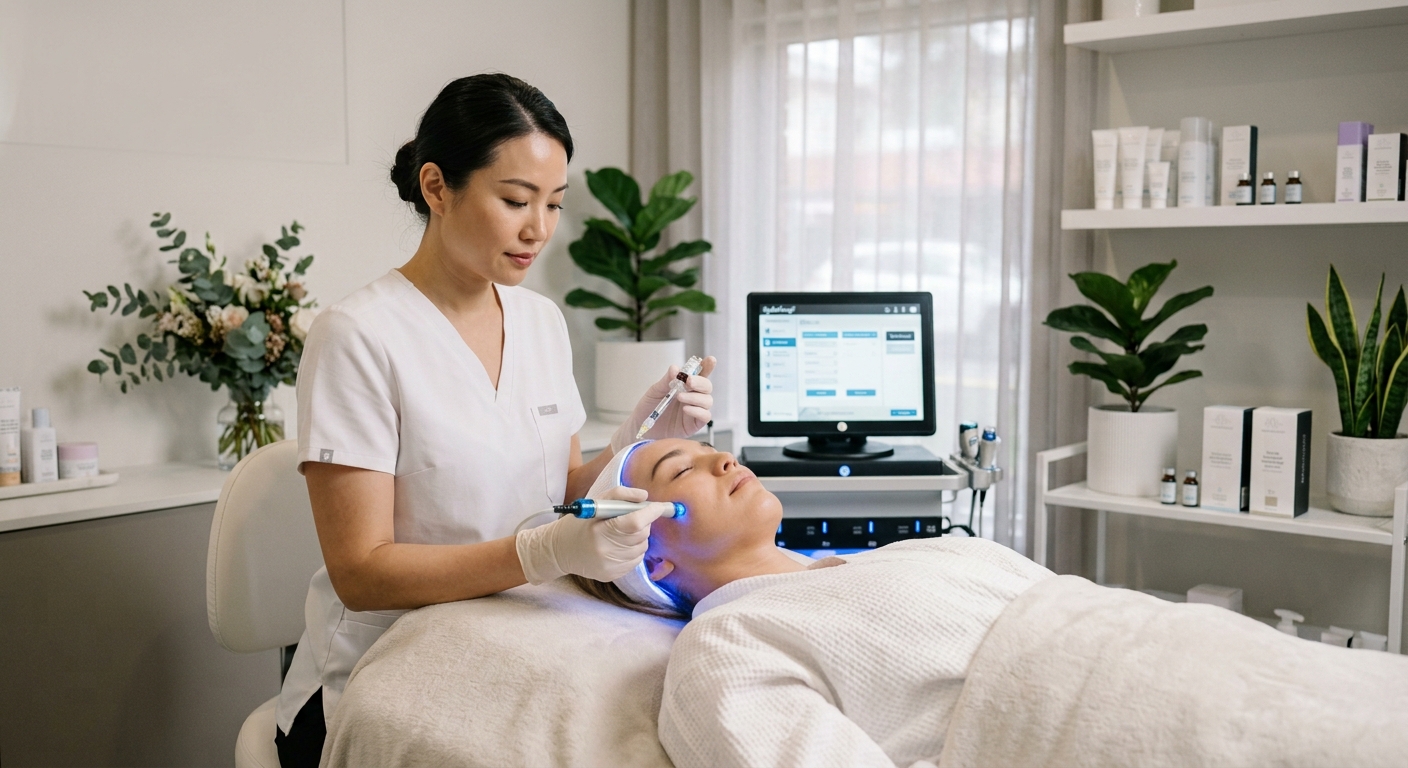
Given these challenges, performance marketing agency isn't just a nice-to-have. It's become essential for health and wellness brands that want to grow sustainably in Singapore's market.
1. To Build Brand Awareness. Be Top of Mind for Potential Audiences
With so many options available, being visible at the right moment is half the battle. Performance marketing agency with experiences knows how to keep a brand in front of the people who are actively researching or considering treatments, so that when they're ready to decide, that brand is the one they remember.
2. To Win Market Competition
In a market this saturated, brands can't rely on being found. They have to actively compete for visibility. Performance marketing agency, with its experience to test, measure, and optimise in real time through platforms, gives health and wellness businesses the tools to win competitors bidding for the same audience.
3. To Work on Platform Restrictions
Navigating platform policies around health-related advertising takes experience. Performance marketing specialists understand how to craft compliant ad creatives and messaging that still resonate with audiences, helping brands avoid disruptions like ad rejections or account suspensions.
4. To Stay Updated on What's Happening in the Industry, Especially in Digital Advertising
Digital advertising platforms change constantly: new ad formats, algorithm updates, tracking changes, and shifting consumer behaviour. Certified performance marketing agency keep themselves informed, rather than relying on strategies that may already be outdated.
How Performance Marketing Works for Health & Wellness
Platforms
The two platforms most commonly used in this industry are Google and Meta. Google Search and Performance Max campaigns are particularly effective at capturing high-intent audiences, people actively searching for a specific treatment or service. Meta Ads, on the other hand, are strong for building awareness and generating leads through formats like WhatsApp click-to-chat and lead forms, especially for audiences who may not yet realise they need a particular treatment.
Key Metrics
Because health and wellness businesses often operate physical locations alongside digital sales, the metrics that matter go beyond simple click counts. Depending on the campaign's goal, brands typically track:
- Footfall or turn-up rate: the number of leads who physically visit a clinic after seeing an ad, which is critical for businesses where the actual treatment happens in person
- Revenue: particularly for e-commerce-driven wellness brands selling products or online consultations
- Cost per WhatsApp chat or cost per lead: for brands focused on generating enquiries and appointments
Tracking the right metric for the right goal is what separates a campaign that just generates clicks from one that actually drives patients through the door or revenue through the till.
Case Studies: KPI Media's Collaboration with Health & Wellness Companies in Singapore
Case Study 1: Orchard Clinic
Overview: Orchard Clinic is a women's wellness centre focused on helping women heal from postpartum conditions like Diastasis Recti and bladder leaks, alongside offering pre-marital beauty treatments. Many women live with these symptoms without realising they're treatable, so the clinic needed a marketing approach that could shift perception, not just capture demand.
Challenges: Awareness was low, and the topic was deeply personal. Reaching the right women and doing so with sensitivity. It meant both the channels and the messaging had to be carefully considered from the start.
Strategy: KPI Media combined push marketing through Meta Lead Generation (WhatsApp and lead forms) with pull marketing via Google Search and Performance Max, capturing women at different stages of awareness. The team focused on upper-funnel refinement to normalise conversations around postpartum recovery, ran continuous A/B testing on visuals and messaging, and worked closely with Orchard Clinic to refine ad copy based on real patient questions and concerns.
Result: Within two months, leads increased 1.75X, surpassing the lead volume target by 23%, while Cost Per Lead dropped by 37%.
Case Study 2: East Coast Podiatry Clinic
Overview: East Coast Podiatry Clinic operates five branches across Singapore, treating foot, ankle, and lower limb conditions ranging from bunions to diabetic foot care. Despite a strong reputation, lead volume wasn't matching the clinic's growth ambitions.
Challenges: The clinic needed to grow its reach and strengthen brand awareness, as lead generation was falling short of expectations before the partnership began.
Strategy: KPI Media took a dual approach, pairing Meta Lead Generation (WhatsApp and lead forms) with Google Search and Performance Max to capture both passive and active intent. The focus was on upper-funnel visuals and messaging to draw in more prospective patients, continuous A/B testing across audience segments, and ongoing optimisation informed by the questions and concerns patients raised.
Result: In just two months, total leads increased 1.73X, exceeding the lead volume target by 19%, with Cost Per Lead reduced by 37%.
Case Study 3: Cosmo Medical Aesthetic
Overview: Cosmo Medical Aesthetic is an award-winning medical spa with three outlets in Singapore, offering slimming and facial treatments to young Singaporean women. With over 720 registered aesthetic clinics in Singapore by the end of 2023, differentiation was critical.
Challenges: Beyond generating leads, the clinic needed to convert online interest into real clinic visits in an intensely crowded beauty market, while also addressing tracking issues that were affecting campaign accuracy.
Strategy: Over 1.5 years of collaboration, KPI Media ran Google Search and Performance Max campaigns, redesigned the clinic's landing page to better match campaign messaging, and resolved tracking issues that had been affecting data accuracy. Continuous A/B testing on ad copy, creatives, and keywords let Google's algorithm learn and serve ads to the most relevant audiences, while a retargeting strategy kept the clinic top of mind for interested leads.
Result: Clinic turn-up rate increased by 60%, campaign tracking accuracy improved significantly, and the clinic generated higher-quality leads that translated into real visits.
Case Study 4: Caring Skin
Overview: Caring Skin specialises in treatments for sensitive and acne-prone skin using natural, plant-based ingredients. With over 10,000 five-star reviews, it's one of Singapore's top-rated facial spas, targeting women aged 21–45.
Challenges: The clinic needed to reach different age groups effectively while converting online enquiries into people who actually showed up for treatment.
Strategy: Over 2.5 years, KPI Media used a multichannel strategy spanning Google Search, Meta Ads, and TikTok (Brand Awareness and Creative Exchange Program), alongside reformatting the website for better conversions and fixing tracking issues. The team ran A/B tests backed by industry benchmarks, tracked which leads converted into bookings, and partnered with TikTok influencers matching Caring Skin's target audience to boost credibility among younger consumers.
Result: The brand achieved a 70% clinic turn-up rate within three months, alongside increased TikTok engagement, brand visibility, and overall lead quality.
Case Study 5: London Weight Management
Overview: London Weight Management, established in 2000, is one of Singapore's pioneer slimming and beauty brands, working with KPI Media since 2021 to promote its EZSlim and BioDetox programmes.
Challenges: The slimming and beauty industry has grown highly competitive, with newer clinics entering the market at lower price points. London Weight Management needed to stay competitive while maintaining lead quality, not just volume.
Strategy: KPI Media leveraged Google Search Ads, Performance Max, and YouTube Ads to capture high-intent audiences. The approach was structured around audience and market research to understand pain points, combining team research with AI-driven optimisation through Performance Max, customising campaigns around key promotional periods like Chinese New Year, and continuously reallocating budget toward top-performing placements.
Result: The campaign surpassed monthly lead goals by 40%, with 25% of monthly leads qualifying as marketing-quality leads, while Cost Per Lead came in 7% below target.
Case Study 6: 21Aesthetic
Overview: 21Aesthetic is a premium beauty clinic using advanced technology and ingredients from Korea, Germany, and France to treat signs of aging skin, targeting women willing to invest in effective, high-end skincare solutions.
Challenges: 21Aesthetic wanted to generate more quality leads through TikTok while lowering cost per acquisition, a challenging goal for a premium service on a platform known more for mass-market appeal.
Strategy: KPI Media built a full-funnel TikTok strategy, from attention-grabbing top-of-funnel content through to converting lead forms. The team ran creative testing across formats and messaging, conducted audience research to identify the premium segment most likely to convert, integrated the client's website with GA4 for better cross-channel visibility, and continuously optimised based on performance data.
Result: Conversion rate increased by 148%, while cost per acquisition dropped by 36.27%.
Case Study 7: Thoughtfull
Overview: Thoughtfull, backed by Temasek, is a leading mental health company delivering end-to-end corporate mental healthcare solutions across Asia, pioneering clinically validated text-based coaching.
Challenges: As a B2B business targeting HR Managers, Business Owners, and C-suite Executives, Thoughtfull noticed a significant discrepancy between conversions tracked in HubSpot versus Google Ads, making it difficult to assess true campaign performance.
Strategy: KPI Media ran A/B testing on landing page designs, content, and calls-to-action, evaluated performance across different advertising channels, and worked closely with Thoughtfull to update lead forms and align Google Ads and HubSpot tracking methodologies into one unified measurement framework.
Result: Google Ads emerged as the most effective channel for warm and hot leads, optimised landing pages lifted conversion rates, and standardised tracking eliminated the reporting discrepancy, giving Thoughtfull full confidence in its performance data after two years of collaboration.
Case Study 8: Ease Healthcare
Overview: Ease Healthcare is redefining women's healthcare in Singapore with online consultations, medications, supplements, and tests delivered directly to customers' homes, prioritising privacy, convenience, and affordability.
Challenges: When ad activity stalled, Ease Healthcare saw a corresponding dip in sales, prompting the need to restart paid marketing with a clear budget focus and a maximum customer acquisition cost
Strategy: KPI Media began with deep business research, including competitor analysis and a review of historical ad performance, before restructuring paid ad campaigns using AI-driven updates from Google and Meta. The team ran ongoing A/B tests across ad formats, creatives, and campaign objectives to identify what resonated most with the target audience.
Result: Over nearly two years, purchases increased by 188%, cost per acquisition dropped by 23.8%, revenue scaled from five to six figures, and ROAS improved from 3.93 to 6.15.
Case Study 9: Enerjoy
Overview: Enerjoy is a wellness app studio behind three products: JustFit, ShutEye, and Me+, covering fitness, sleep, and self-care, primarily targeting users in the US, Germany, Australia, and New Zealand.
Challenges: With three apps to manage, Enerjoy needed to make its ad budget work harder to grow its user base across all products efficiently.
Strategy: KPI Media audited the ad accounts for all three applications to identify opportunities to reduce costs and improve performance, then restructured campaigns with a primary focus on Search Engine Marketing (SEM) across the portfolio.
Result: Following the account restructure, Return on Ad Spend exceeded 100% within three months, with performance continuing to stabilise and improve month over month.
Conclusion

Health and wellness brands in Singapore are operating in one of the most competitive and most sensitive industries to market in. Between trust barriers, platform restrictions, saturated competition, and the challenge of finding the right audience, growth doesn't happen by accident. It takes a strategy built on data, tested continuously, and adjusted based on real results.
That's exactly what performance marketing offers: a way to be visible to the right people, at the right moment, with messaging that respects how personal these decisions are. As the case studies above show, whether the goal is more clinic visits, better-quality leads, or stronger returns on ad spend, a well-run performance marketing strategy consistently delivers measurable, meaningful growth for health and wellness businesses.
Ready to grow your health and wellness brand? Book a free consultation with our Chief Growth Officer (valued at $250/hour) and let's build a strategy tailored to your goals.











.webp)


Let us build your acquisition engine
Our Founder will personally propose a custom media plan to crush your KPIs.